
Benefits of Glass Food Storage Containers
Table of Contents
- Why Glass Food Storage Containers Matter for Your Kitchen
- Glass vs Plastic Food Storage: The Key Differences
- Superior Durability and Longevity You Can Count On
- Are Glass Containers BPA Free and Truly Safe?
- Odor and Stain Resistance: Keeping Containers Like New
- How to Clean Glass Food Containers Properly
- Environmental Impact and Sustainability Benefits
- Thermal Shock Resistance and Lid Material Safety
- Frequently Asked Questions
Last Updated: September 21, 2026
Why Glass Food Storage Containers Matter for Your Kitchen
Glass food storage containers offer transparency, durability, and safety for kitchen organization and food preservation. Understanding their advantages helps you make informed storage choices.

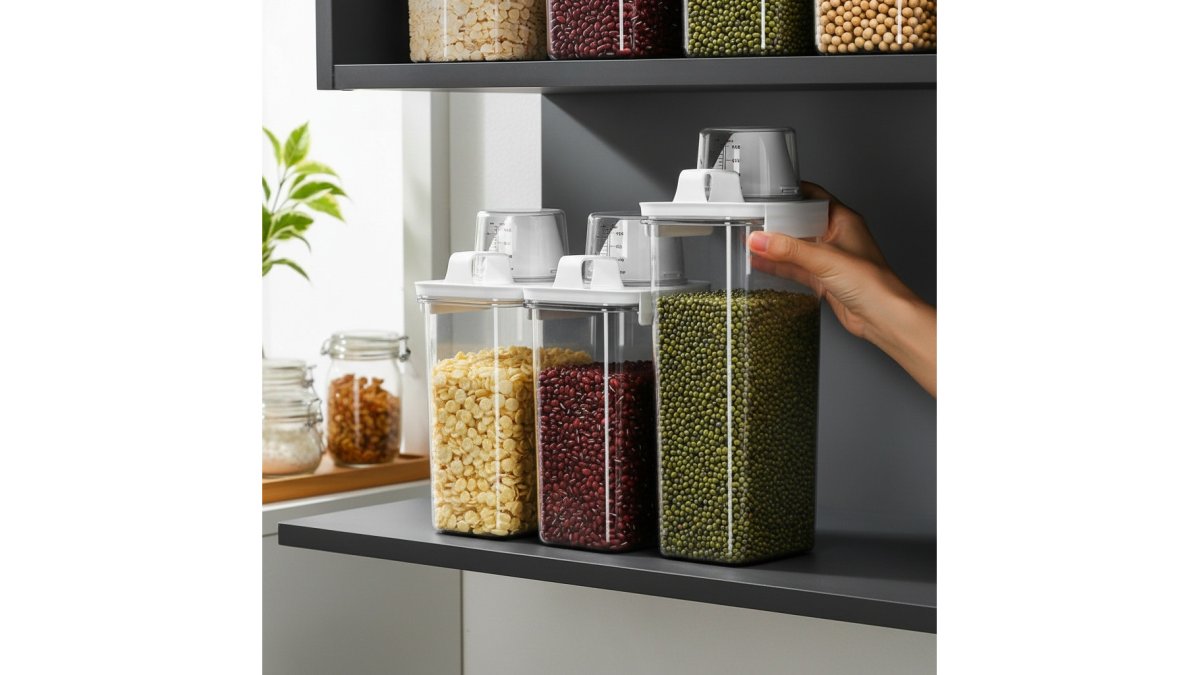
Glass containers eliminate guesswork about contents, reduce food waste through visibility, and create an intentional kitchen aesthetic while supporting the shift away from single-use plastics.
Glass vs Plastic Food Storage: The Key Differences
Glass is non-porous and doesn't absorb odors, stains, or chemical residues. Plastic can leach compounds into food over time, a concern for long-term safety.
Glass withstands repeated washing and temperature changes without degrading, while plastic becomes brittle, discolors, and warps.
Plastic is lighter for meal prep transport and households with young children. Glass excels in stationary storage where longevity matters more than portability.
The transparency difference is significant. Glass provides crystal-clear visibility of contents without cloudiness or degradation over time. Plastic containers often become opaque or cloudy after repeated washing, making it harder to see what's inside at a glance.
Superior Durability and Longevity You Can Count On
Glass outlasts plastic by years or decades, remaining chemically stable through UV exposure, temperature changes, and repeated washing.
Glass containers maintain appearance and function after hundreds of wash cycles with no warping, discoloration, or seal degradation.
Glass tolerates direct freezer-to-countertop transitions without thermal shock, making it ideal for meal prep workflows.
Modern Goods Living's Airtight Stackable Food Storage Containers at $19.99 offer a practical solution for organized storage.
Are Glass Containers BPA Free and Truly Safe?
Glass is inert and doesn't release compounds into food regardless of temperature or acidity. No BPA, phthalates, or microplastics, making it the safest choice for long-term storage.
Many "BPA-free" plastic containers still contain chemicals that migrate into food when exposed to heat or acidic foods. Glass eliminates this risk entirely.
Quality glass containers use silicone gaskets that remain flexible and maintain airtight performance for years, while plastic lids degrade quickly.
Odor and Stain Resistance: Keeping Containers Like New
Non-porous glass refuses to absorb odors from pungent foods like garlic, onions, or fish, while plastic retains odors indefinitely.
Tomato sauce, turmeric, and beets stain plastic permanently but leave glass pristine, maintaining visibility and aesthetics.
Glass doesn't absorb oils or acidic liquids that degrade plastic, extending functional life and preventing off-flavors.
How to Clean Glass Food Containers Properly
Glass tolerates hot water and dishwashers, but lid gaskets require deliberate care to preserve seal integrity.
Daily Cleaning Best Practices
Hand wash with warm soapy water and rinse immediately to prevent food particles from bonding. The non-porous glass surface releases oils easily without aggressive scrubbing.
Place glass containers on the top rack in dishwashers, but hand wash lids to extend gasket lifespan.
Gasket and Lid Maintenance
Remove and rinse gaskets separately after each use. Use a soft brush to clean grooves where food particles lodge and trap odors or promote mold.
Inspect gaskets monthly for cracks or permanent deformation. Replace if they don't return to original shape.
Hand wash plastic lids only; dishwasher heat warps them within 1-2 years. Silicone lids benefit from hand washing for longevity.
Removing Stubborn Stains and Odors
For stains from tomato sauce or turmeric, soak in equal parts vinegar and water for 30 minutes, then scrub gently. Baking soda paste also works well.
For persistent odors, fill with water, add two tablespoons baking soda, seal, and refrigerate overnight. Alternatively, use crumpled newspaper or activated charcoal.
Avoid bleach or harsh chemical cleaners on silicone gaskets; these can degrade the material and leave residual flavors that transfer to stored food. Stick to mild soap, vinegar, and baking soda for all components.
Temperature Transitions During Cleaning
Airtight Stackable Food Storage →
Never expose glass containers to extreme, rapid temperature changes. Don't move a freezing-cold container directly into hot water or place a hot container on a cold countertop. Allow gradual temperature adjustment, remove from the freezer and let sit at room temperature for 5-10 minutes before washing with warm water. This simple practice prevents thermal shock, the sudden stress that causes glass to crack or shatter. Conversely, allow hot containers to cool before refrigerating.
Storage and Organization
Store lids separately from containers if you won't be using them immediately. This allows both components to air-dry completely, preventing moisture from accumulating under gaskets where mold can develop. Stack containers carefully to avoid chipping rims; even small chips can compromise the seal or create sharp edges that damage gaskets over time.
Environmental Impact and Sustainability Benefits
Glass manufacturing requires energy, but the material's longevity offsets that impact dramatically.
Recyclability matters for end-of-life impact. Glass recycles infinitely without degradation, returning to production cycles indefinitely. Glass containers that eventually break or become unusable enter recycling streams as valuable material, not waste.
The reduction in single-use plastics compounds the sustainability benefit. Switching to durable glass containers reduces your household's annual plastic consumption significantly.
Manufacturing emissions for glass are higher per unit than plastic, but the calculation shifts dramatically when you account for lifespan.
Sustainable consumption means buying durable goods you'll use for years rather than replacing disposable items constantly. This aligns with how intentional consumers approach home goods, fewer, better things that last.
Thermal Shock Resistance and Lid Material Safety
Thermal shock, cracking caused by rapid, extreme temperature changes, is a legitimate concern with glass, but understanding when it actually occurs prevents unnecessary worry and helps you use containers safely for decades.
Understanding Thermal Shock in Food Storage

Thermal shock happens when glass experiences a sudden, severe temperature differential. The classic scenario: removing a container from the freezer (32°F) and immediately placing it in boiling water (212°F) creates 180°F of stress across the glass surface.
However, normal kitchen temperature transitions rarely cause problems. Moving a container from the refrigerator (40°F) to room temperature (70°F) or from the pantry to a microwave (heating gradually to 180°F) creates manageable stress that quality food-storage glass tolerates without issue. The key is gradual adjustment rather than extreme shock.
Safe Temperature Practices
To prevent thermal shock entirely, follow this simple protocol: Remove a glass container from the freezer and let it sit at room temperature for 5-10 minutes before heating or washing with warm water. This allows the glass to equilibrate gradually. Conversely, allow hot containers to cool to room temperature before refrigerating or freezing.
Microwave use is safe if you follow the same principle. Place a cold container in the microwave and heat gradually rather than using high power immediately. Most food-storage glass is microwave-safe (check manufacturer guidance), and gradual heating prevents thermal stress.
Oven use requires caution. Many glass food-storage containers are not oven-safe because they're designed for refrigerator and microwave use only. Check the manufacturer's specifications before placing any container in an oven. If oven-safe, preheat the oven before placing the container inside, and never place a cold container directly into a hot oven.
Lid Material Safety and Performance
The lid system determines how well containers perform across temperature ranges and how long they remain functional. Quality glass containers use silicone gaskets rather than plastic seals. Silicone remains flexible at freezer temperatures (−4°F and below) and tolerates microwave heat (up to 400°F) without warping or losing its seal. Plastic lids become brittle at cold temperatures and warp under heat, compromising the airtight seal that preserves food freshness.
When evaluating containers, inspect the lid material before purchasing. Silicone gaskets feel soft and flexible; they should snap back immediately after compression. Plastic lids feel rigid and may show slight warping even when new.
The connection between lid and container also matters. Snap-on lids with silicone gaskets create an airtight seal through compression; the gasket deforms slightly to fill the gap between lid and rim. Screw-on lids with rubber seals work similarly but require careful threading to avoid cross-threading, which damages the seal. Hinged or clip-lock lids with silicone gaskets offer the most secure seal and are less prone to accidental opening, making them ideal for travel or stacking in crowded refrigerators.
Weight and Portability: A Practical Consideration
Glass containers are significantly heavier than plastic, a 4-cup glass container weighs approximately 1.5-2 pounds empty, while an equivalent plastic container weighs 0.3-0.5 pounds. This weight difference has real implications for specific use cases.
For stationary storage (pantries, refrigerators, kitchen cabinets), weight is irrelevant and actually beneficial. Heavier containers resist tipping and spilling better than lightweight plastic alternatives, particularly in crowded refrigerators or when stacking multiple containers vertically. The stability reduces food waste from accidental spills.
For meal prep and lunch transport, weight becomes a factor.
Choosing the Right Container for Your Lifestyle
Frequently Asked Questions
Is it a good idea to store food in glass containers?
Yes. Glass food storage containers prevent chemical migration into food, resist odors and stains, and last significantly longer than plastic alternatives. They're especially valuable for households prioritizing food safety and reducing waste. Glass containers maintain their clarity and integrity over years of use, making them a smart long-term investment for your kitchen.
Are glass containers BPA free and safe for everyday use?
Glass itself contains no BPA or phthalates, it's an inert material that doesn't leach chemicals into food. However, check the lid material; many quality glass containers use BPA-free silicone gaskets or snap-locking lids made from food-grade plastics. Always verify the lid specifications when purchasing to ensure complete safety for your family's food storage needs.
Do glass containers keep food fresh longer than plastic?
Glass containers with airtight seals preserve food freshness comparably to quality plastic options, but glass has advantages plastic lacks. Glass doesn't absorb odors or stains, so your containers remain hygienic and odor-free over time. Additionally, glass doesn't degrade or leach chemicals that could compromise food quality, making it the more reliable choice for long-term food preservation.
How do I know if glass food storage containers will actually fit my small apartment?
Look for stackable, modular designs that maximize vertical space in cabinets and refrigerators. Square or rectangular containers pack more efficiently than round ones. Start with one or two sizes to test fit in your specific spaces before investing in a full set. Many quality glass containers, like the stackable options available through Modern Goods Living, are engineered specifically for space-conscious storage.
